Glasses and head coverings in passport photos
Glasses and head coverings are the two items most often worn into a passport photo and most often the reason it is refused. Some countries ban glasses outright, most allow them if nothing covers or reflects over the eyes, and nearly all limit head coverings to religious or medical reasons with the face fully visible. This guide sets out the rule for each country in our dataset and the practical way to meet it.
Where glasses are banned
The United States has not allowed glasses in passport photos since November 2016, even clear ones; the State Department's instruction is simply to take off your eyeglasses for your photo. That applies to the US passport, the DS-160 visa photo and the DV lottery entry. Australia bans them too for the Australian passport. Malaysia bans spectacles for the capture session and we apply the same to the under-4 print.
If you need glasses to see, the photo is still taken without them; there is no exemption for prescription lenses in these countries, and our checklist asks whether you are wearing glasses and marks a yes as a fail for them.
Where glasses are allowed without glare
Most European countries, Canada and much of Asia allow glasses on conditions. gov.uk says you must make sure your eyes are not covered by the frames or any glare, reflection or shadow for the UK digital photo, and gov.uk's own automated check is the one that returns 'reflections on face' to users. Canada allows glasses on the Canadian passport photo but refuses sunglasses or tinted eye glasses, including prescription lenses, even when the eyes are clearly visible.
The Netherlands puts it plainly for the Dutch passport: glasses are fine if the eyes are fully visible through clear lenses with no disturbing reflection and no shadow; if a reflection cannot be avoided, take them off. Finland says you can always take your glasses off, and frames should stay well clear of the eyes, for the Finnish passport. France allows glasses on the French passport only with a thin frame off the eyes and untinted lenses with no reflection. Korea lists glasses reflecting light or frames over the eyes among the rejections for the Korean passport.
Where glasses are discouraged
Japan recommends taking glasses off for the Japanese passport; if worn there must be no tint, reflection or shadow and the frames must stay clear of the eyes, and nothing, including hair, glasses or false lashes, may enter the box around the eyes. The UK takes the same position: allowed, but the safest photo is the one without them.
Getting a glare-free photo with glasses on
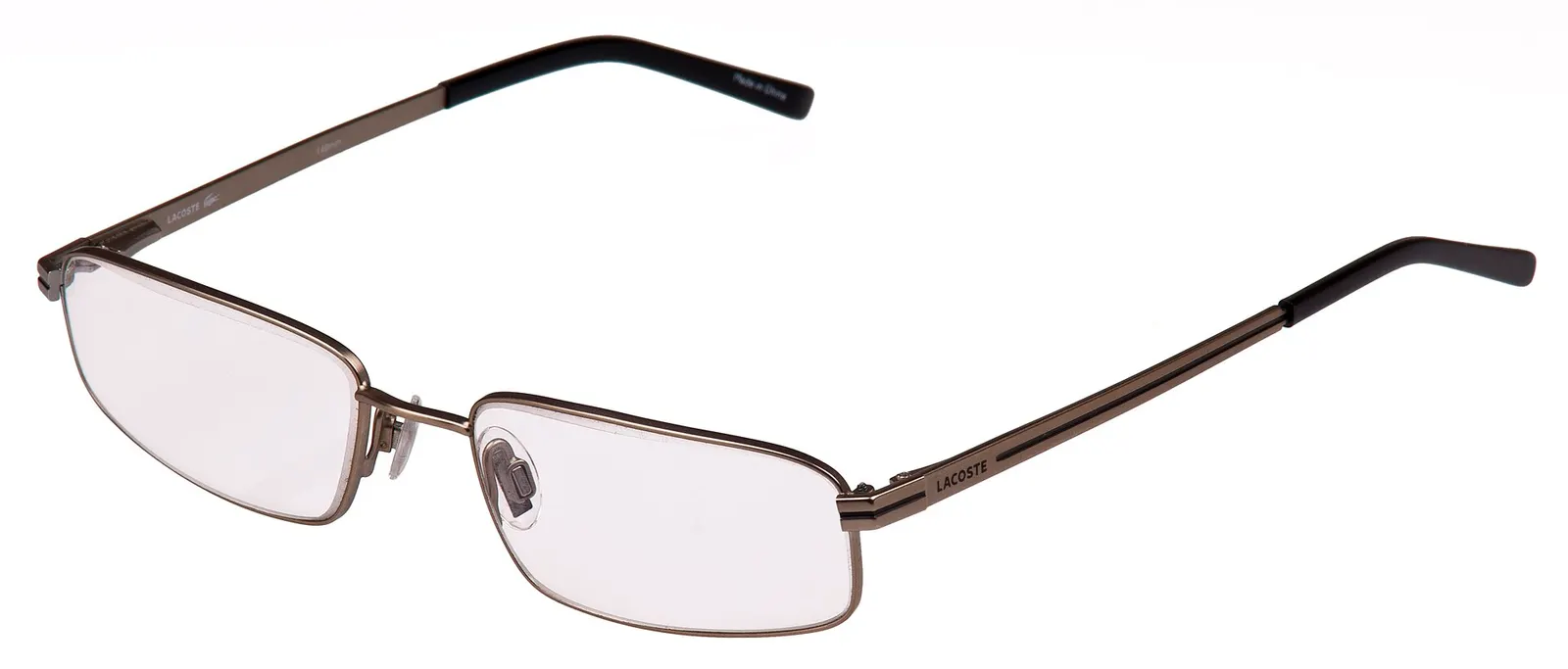
Glare is a lighting problem, not a lens problem. The reflection you see is the light source bouncing off the lens into the camera, so move the light rather than the glasses.
- 1.Face a window or two lamps placed to the left and right at face height, never a single lamp behind the camera.
- 2.Tilt the chin down a few millimetres and push the glasses slightly down the nose so the lenses angle away from the light.
- 3.Turn off the flash; a flash from the camera position reflects straight back.
- 4.Check the frames: the top bar must not cross the eyes and the lenses must show the full eye outline.
- 5.If any reflection remains, take the glasses off; no country penalises a photo without glasses. See the false positives guide for what portals say when glare wins.
Head coverings
Almost every spec in our dataset treats head coverings the same way: not allowed unless worn for religious or medical reasons, and then the full face must be visible from chin to forehead with no shadow on it. The State Department says to take off your hat or head covering, with a statement required for a religious or medical exception. The United Kingdom accepts a covering for religious or medical reasons only. Germany allows a religious covering only if the face is visible from chin to forehead with no shadow; the Netherlands allows religious or philosophical reasons, or hair loss from a medical condition, and wants the covering plain, one colour and in contrast with the background. The hijab and religious head coverings guide goes deeper on each country.
A few countries are stricter. France lists no religious exception on the Service-Public norms table: for the French passport the head must be bare, with no hat, scarf or headband. Korea allows religious dress only if it is worn at all times in daily life and the whole face from forehead to chin shows. Singapore allows headgear habitually worn for religious or racial custom, and it must not be white against the white background.
Medical reasons
Tinted glasses, an eyepatch or a covering worn after treatment are accepted by many authorities with a signed statement or certificate. Japan accepts sunglasses or non-prescription tinted glasses only when medically necessary; Finland accepts tinted glasses or an eyepatch only for medical reasons; Poland sets a procedure for attaching a certificate to the online application. See our medical and religious exceptions guide for what the statement should say. Our checklist asks about glasses and head coverings as questions you answer, since a camera cannot tell a religious covering from a hat, and it cannot detect glare, so check the lenses yourself.
Related documents
- US Passport Photo
- UK Passport Photo (digital, online application)
- Canadian Passport Photo
- French Passport Photo (passeport, 35 x 45 mm)
- Japanese Passport Photo (パスポート, 45 x 35 mm print or online upload)
- Korean Passport Photo (여권사진, 3.5 x 4.5 cm print or 413 x 531 px upload)
- Dutch Passport Photo (paspoort, Fotomatrix 2020, 35 x 45 mm)


Sources
Last updated
We are an independent service, not a government website. Applying for a passport or visa is done with your government; we only prepare the photo.